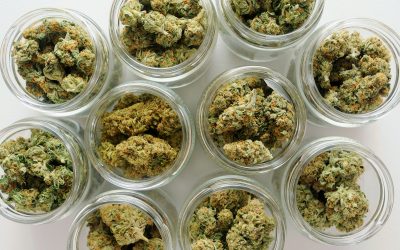
As the wellness market continues to broaden, many Americans are seeking alternatives to traditional cannabis consumption methods. Among these options, THCA vapes have gained popularity for their potential to deliver therapeutic benefits without the psychoactive effects commonly associated with THC. When people search online for information about the safety of these products, questions like “Are THCA Vapes Safe?” often arise, reflecting growing concern about personal health and regulatory clarity. Addressing these concerns is crucial for consumers who prioritize safety and transparency in their wellness choices.
Understanding THCA and the Vaping Process
Tetrahydrocannabinolic acid (THCA) is a non-psychoactive cannabinoid naturally present in raw cannabis. Unlike THC, THCA does not produce a “high” unless it is heated and converted into THC through a process called decarboxylation. In the context of vaping, this chemical transformation can occur at certain temperatures, which is why consumers often ask, “Are THCA Vapes Safe?” before making a purchase.
Vaping THCA involves inhaling vaporized cannabinoids, which some believe to be a cleaner alternative to smoking. However, the safety profile of THCA vapes depends on several factors, including extract purity, the materials used in the vape cartridge, and the presence of additives or contaminants.
Key Safety Considerations for American Consumers
When evaluating the safety of THCA vapes, American consumers should keep these factors in mind:
- Product Purity: Reputable manufacturers provide third-party lab reports verifying that their THCA vape products are free from pesticides, heavy metals, and residual solvents. Always look for transparent lab testing before purchasing.
- Ingredients and Additives: Some vape cartridges contain additives, flavorings, or thinning agents such as propylene glycol or vitamin E acetate. These substances, especially when inhaled, have raised health concerns and should be avoided.
- Device Quality: Vape pens should use high-quality materials – such as the heating coil and cartridge – to prevent the release of harmful substances during use.
- Legal and Regulatory Status: In the United States, the legal landscape for THCA and vaping products can vary by state. Ensuring products are compliant with state and federal regulations is essential for consumer protection.
Potential Health Benefits and Risks
While THCA shows promise for anti-inflammatory and neuroprotective properties, the research on vaporized THCA remains limited. Some users report positive effects such as reduced pain and improved well-being, but long-term safety data is lacking. Vaping, in general, carries its own set of risks, including potential lung irritation or injury from poor-quality products. Therefore, consumers are advised to:
- Purchase only from reputable sources that publish lab results.
- Avoid products with unverified or unknown ingredients.
- Stay informed about state and federal regulations regarding THCA products.
In summary, while THCA vapes may provide a potentially healthier alternative to smoking, their safety hinges on product quality, transparent testing, and regulatory compliance. For those seeking guidance and trusted options, Costa Brand stands out as a reliable partner in pursuing safer cannabinoid experiences.